Intake Manifold Vacuum Leak Symptoms Entire Gallery Of Pictures & Videos #603
Open Now intake manifold vacuum leak symptoms elite broadcast. Freely available on our digital library. Submerge yourself in a boundless collection of content featured in unmatched quality, optimal for deluxe streaming admirers. With content updated daily, you’ll always be in the know. Seek out intake manifold vacuum leak symptoms expertly chosen streaming in retina quality for a truly enthralling experience. Sign up for our streaming center today to witness one-of-a-kind elite content with absolutely no charges, no need to subscribe. Look forward to constant updates and navigate a world of special maker videos tailored for top-tier media buffs. Don't forget to get exclusive clips—click for instant download! Access the best of intake manifold vacuum leak symptoms visionary original content with sharp focus and editor's choices.
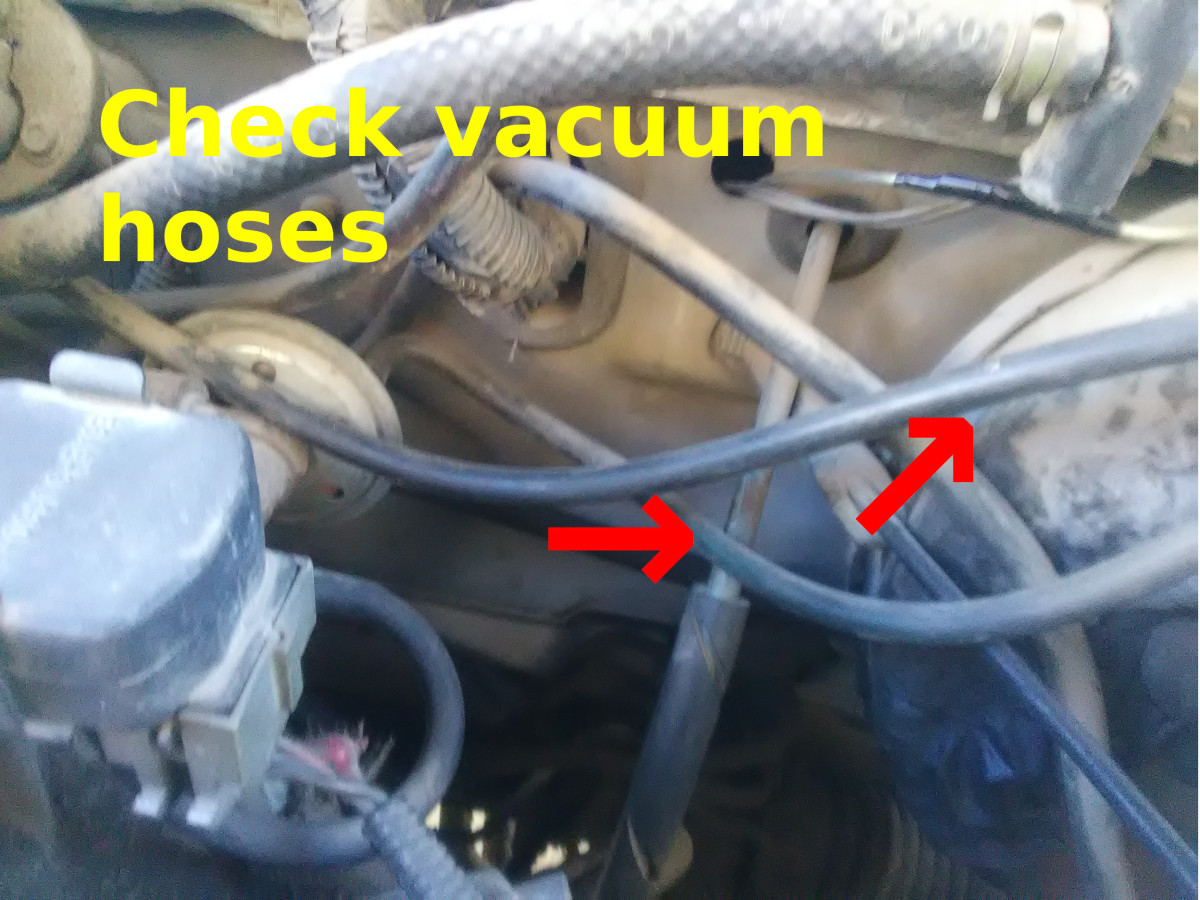
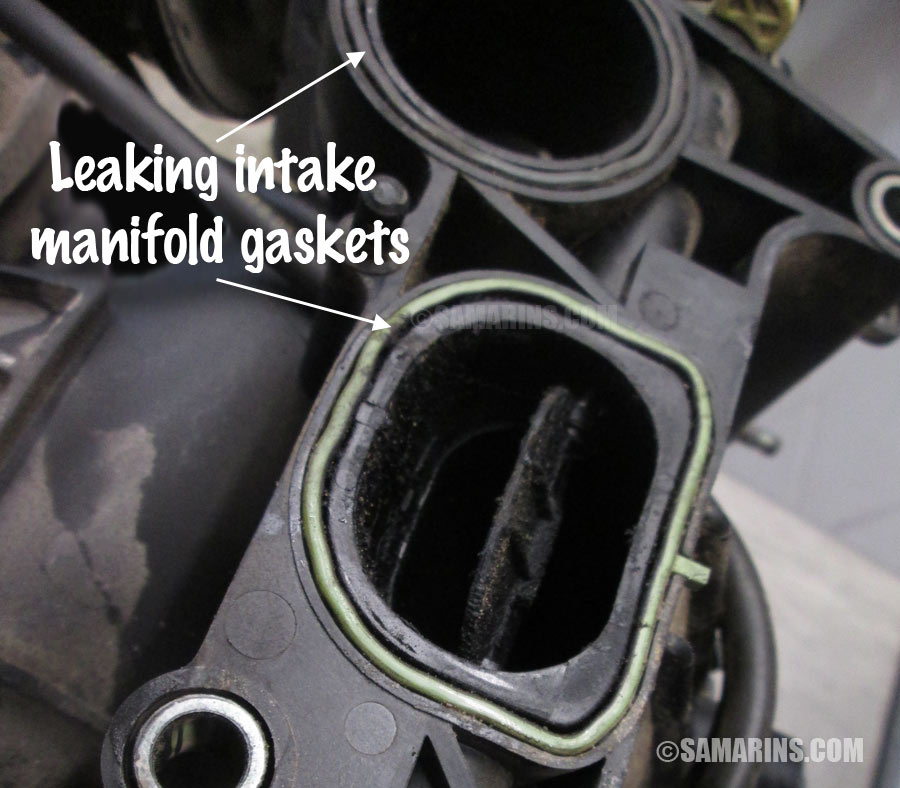
The most common causes of a vacuum leak are a cracked vacuum hose or a leaking intake manifold gasket This detailed article will guide you through the process of diagnosing and repairing vacuum leaks, ensuring your vehicle runs smoothly and. It can also leak from the throttle body gasket or, in rare cases, a cracked intake manifold.
Vacuum leaks: problems, symptoms, repairs
But when the intake manifold gasket leaks, that vital circulation is disrupted Understanding how to identify and fix a vacuum leak in an intake manifold is crucial for any car owner or enthusiast This sneaky issue causes subtle symptoms initially that signal serious trouble brewing
Spot and fix gasket leaks early by learning the key symptoms of an intake manifold leak, what caused it, and how much it'll cost to fix.
The most common symptoms of a vacuum leak include an illuminated check engine light, rough running, stalling, increased engine idle rpm, and a hissing noise from the engine A vacuum leak occurs when there's a leak somewhere in the engine, allowing unmetered air to enter the intake manifold, which can cause various problems A vacuum leak can be caused by a broken intake manifold, intake. A vacuum leak occurs when air enters the engine's intake manifold without passing through the engine's mass air flow sensor (maf sensor) or throttle body
Discover essential techniques for mastering vacuum leak repair at the intake manifold with cleveland auto repair's comprehensive guide Benefit from expert tips, avoid common mistakes, and implement preventive maintenance to ensure optimal vehicle performance. Having problems with intake manifold leaks Learn about the causes, symptoms, testing and prevention
Stop leaks like vacuum, coolant and oil.
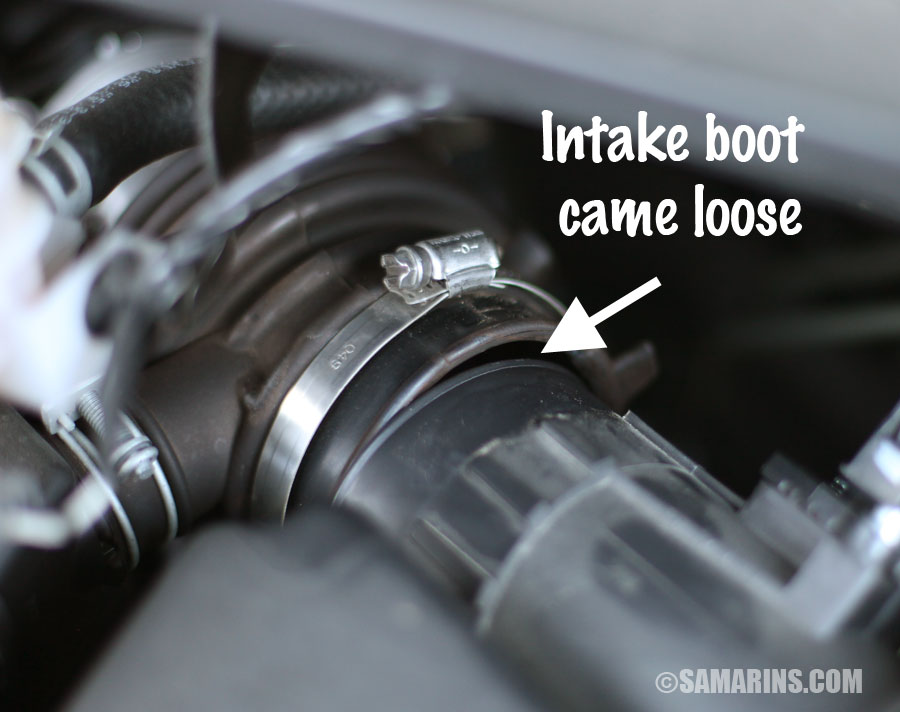
To determine if you have a vacuum leak in your intake manifold, you'll typically notice a combination of specific symptoms and can confirm it through diagnostic tests Symptoms of a cracked intake manifold include rough idling, decreased power, and poor fuel efficiency In order to prevent vacuum leaks, it is important to maintain your vehicle's vacuum system and replace any damaged components as soon as possible. A vacuum leak occurs when air enters the engine through a crack or gap in the vacuum hoses, intake manifold gasket, air intake tube or other components
A vacuum leak can lead to various engine performance issues, including poor fuel efficiency, rough idling, and increased emissions